
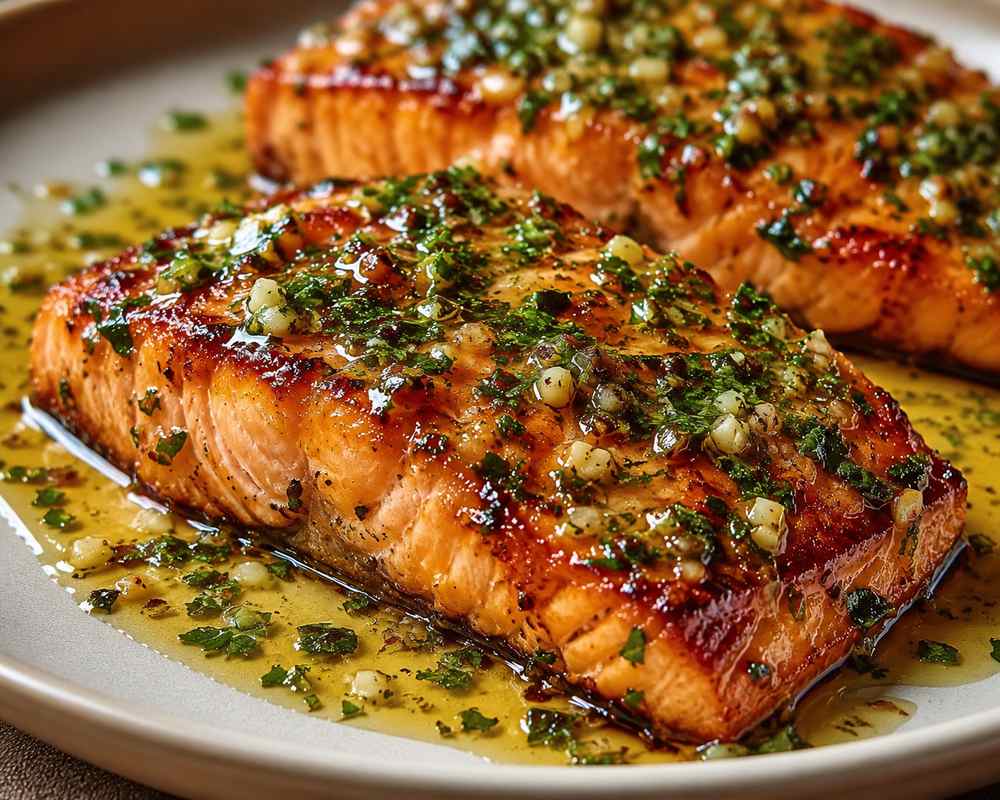
This Sticky Honey-Lime Salmon is made for evenings when dinner needs to feel special without becoming a complicated project.
Instead of cooking the salmon in a pool of butter, this version builds the flavor in two stages. The fillets roast first with a simple smoky seasoning. A concentrated honey-lime glaze is added partway through cooking, giving the surface time to turn glossy and lightly caramelized without burning.
While the salmon finishes in the oven, a separate garlic herb butter comes together on the stove. It is spooned over the fish only after cooking, so the garlic stays fragrant, the lime remains bright, and the fresh herbs keep their color.
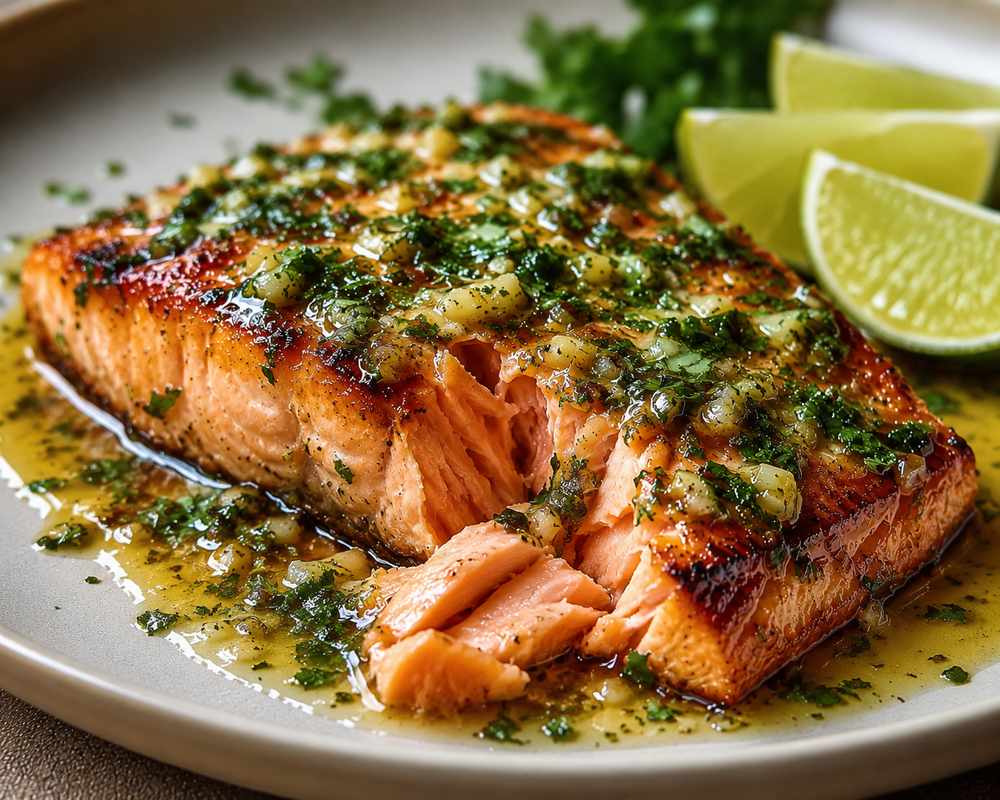
The finished salmon has browned edges, a tender center, and a sauce that tastes buttery and rich without hiding the flavor of the fish. Honey softens the sharpness of the lime, while garlic, herbs, paprika, and a touch of chili keep the dish firmly on the savory side.
It is quick enough for a weekday meal but polished enough to serve when guests are coming.
This recipe contains no alcohol, pork, gelatin, or intentionally haram ingredients.
Ingredients You’ll Need
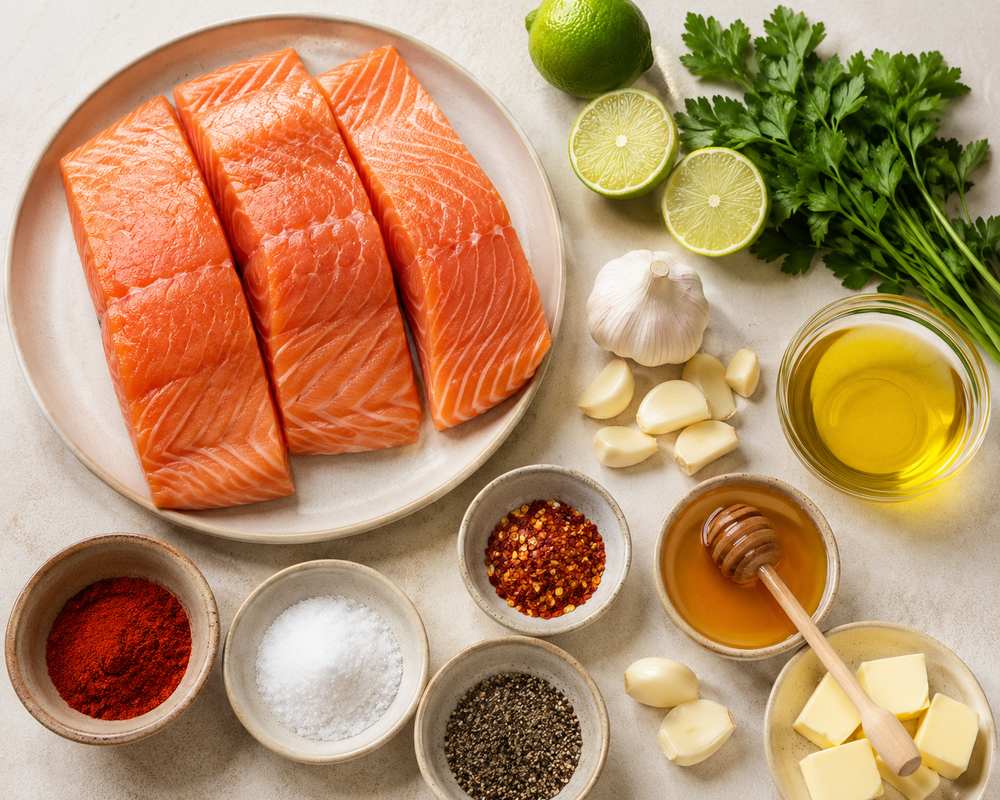
Salmon
Use four center-cut fillets that are close in size and thickness. Skin-on or skinless salmon both work.
If using frozen salmon, thaw it completely in the refrigerator and dry it thoroughly before seasoning.
Honey
Honey gives the surface its glossy finish and balances the acidity of the lime.
Fresh Lime
The recipe uses both juice and zest. Zest gives a concentrated citrus aroma, while juice makes the sauces bright and tangy.
Butter
Unsalted butter allows you to control the final seasoning. Use halal-certified butter when certification is available.
Garlic
Freshly minced garlic gives the finishing sauce a fuller flavor than garlic powder alone.
Fresh Herbs
Parsley produces a clean, mild finish. Cilantro can be used for a brighter flavor, or the two can be combined.
Smoked Paprika
Paprika adds warm color and a gentle smoky note without overwhelming the salmon.
Ingredients
For the Salmon
- 4 salmon fillets, about 5–6 ounces or 150–170 grams each
- 1 tablespoon olive oil
- ¾ teaspoon fine salt
- ½ teaspoon smoked paprika
- ¼ teaspoon onion powder
- ¼ teaspoon ground black pepper
- 1 teaspoon finely grated lime zest
- Pinch of crushed red pepper, optional
For the Sticky Honey-Lime Glaze
- 2½ tablespoons honey
- 1½ tablespoons fresh lime juice
- 1 teaspoon olive oil
- ¼ teaspoon smoked paprika
- Pinch of salt
For the Garlic Herb Butter
- 3 tablespoons unsalted butter
- 3 large garlic cloves, finely minced
- 1 tablespoon honey
- 1 tablespoon fresh lime juice
- 2 tablespoons finely chopped parsley, cilantro, or a mixture
- 1 teaspoon finely grated lime zest
- Pinch of black pepper
- Pinch of chili flakes, optional
For Serving
- Fresh lime wedges
- Additional chopped herbs
- Roasted vegetables, rice, or potatoes
How to Make Honey-Lime Garlic Butter Salmon
Step 1: Prepare the Oven and Baking Tray
Heat the oven to 425°F or 220°C.
Line a rimmed baking sheet with parchment paper. A shallow baking dish may also be used.
Position an oven rack in the upper-middle section, leaving enough space to use the broiler briefly at the end.
Step 2: Dry and Season the Salmon
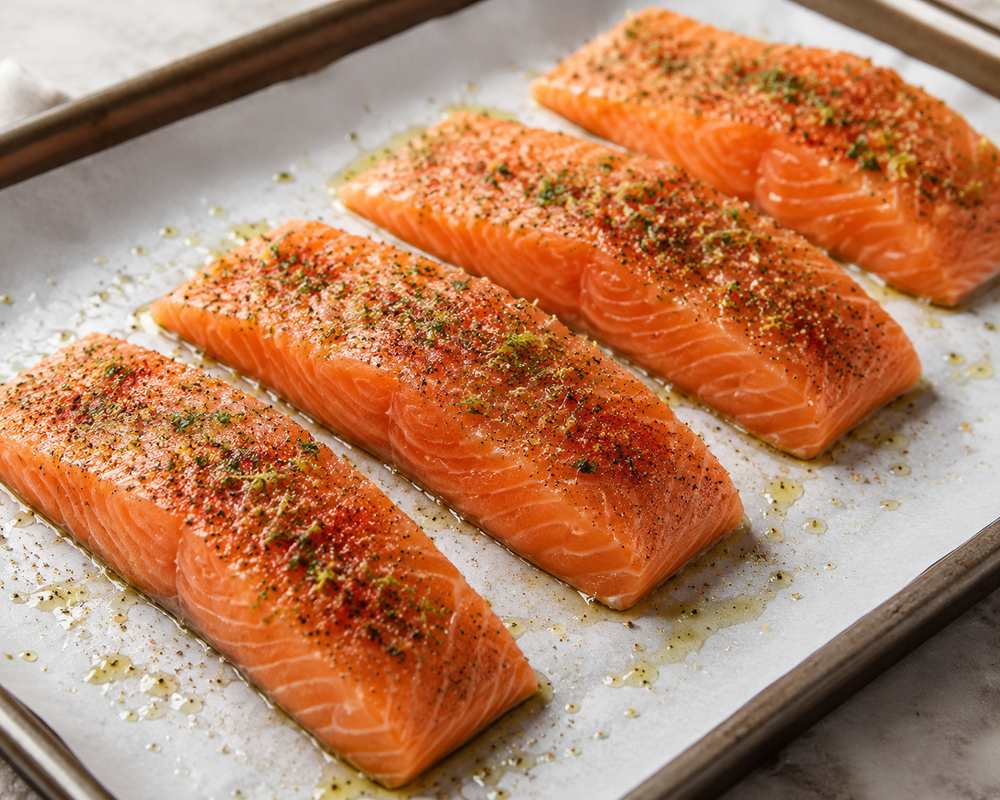
Pat each fillet dry with paper towels.
Arrange the salmon on the tray with the skin side facing downward.
Rub the tops and sides with olive oil.
Combine the salt, smoked paprika, onion powder, black pepper, lime zest, and optional crushed pepper. Sprinkle the mixture evenly over the fish.
Press the seasoning gently onto the surface rather than rubbing it off.
Step 3: Make the Sticky Glaze
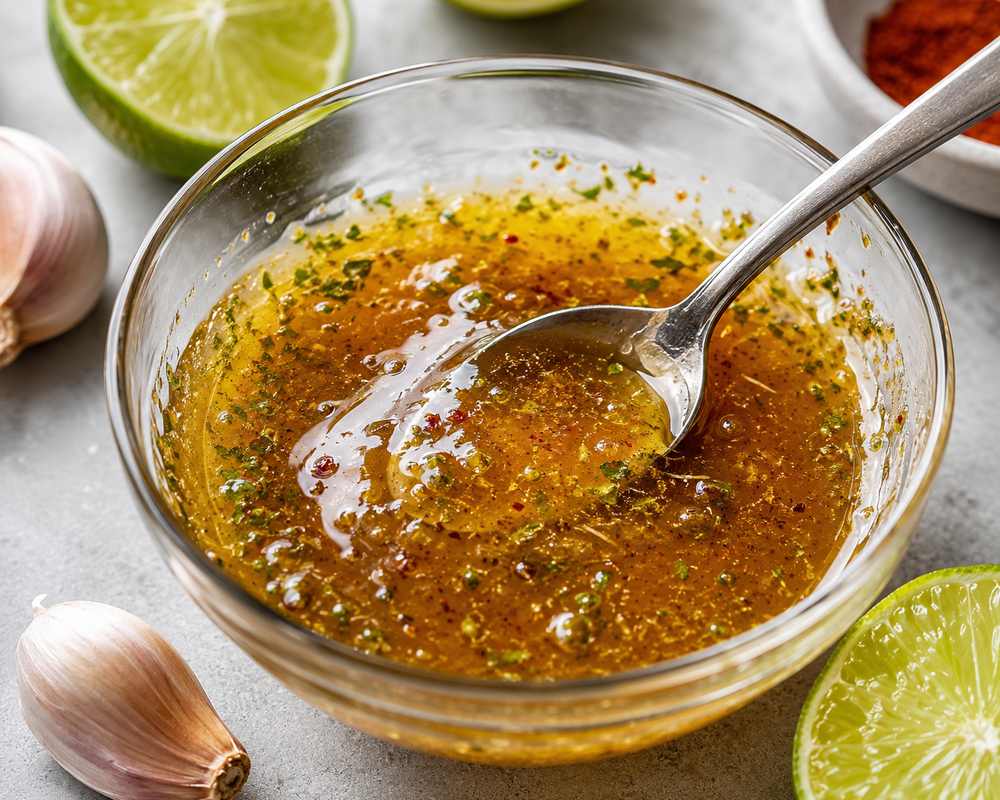
In a small bowl, stir together the honey, lime juice, olive oil, smoked paprika, and salt.
Continue stirring until the honey loosens and the mixture looks smooth.
Set the glaze beside the oven. Do not use this bowl or brush for the finishing butter after they have touched raw fish.
Step 4: Begin Roasting the Salmon
Place the seasoned salmon in the hot oven.
Roast for 7 minutes without glaze.
This first stage begins cooking the center and slightly dries the seasoned surface, helping the glaze cling instead of sliding into the pan.
Step 5: Brush with Honey-Lime Glaze
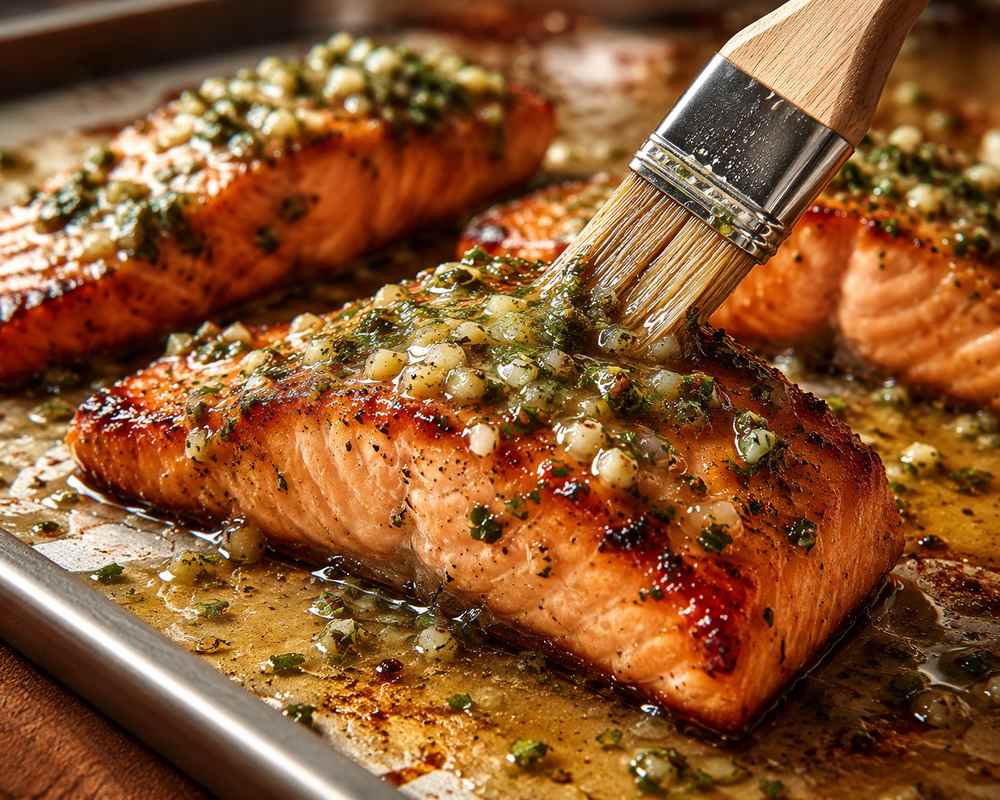
Remove the tray carefully.
Brush a generous coating of glaze over the tops and exposed sides of the salmon. Use all the glaze, dividing it evenly among the four pieces.
Return the tray to the oven.
Roast for another 4–7 minutes, depending on the thickness of the fillets.
Step 6: Prepare the Garlic Herb Butter
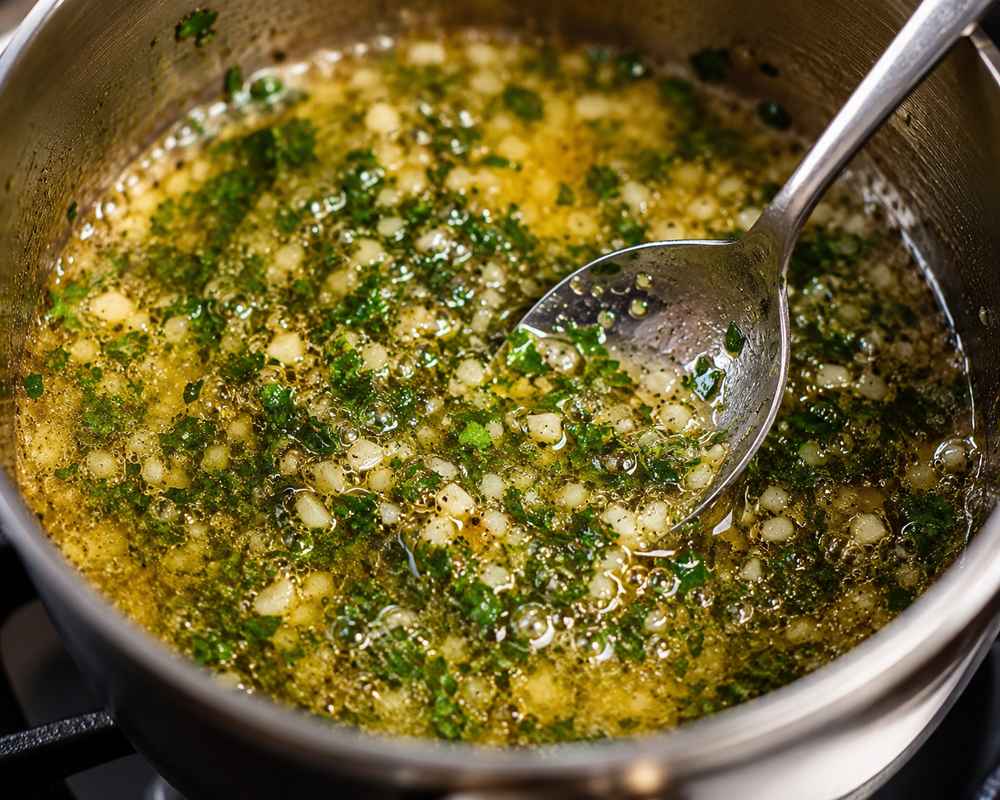
While the salmon finishes, melt the butter in a small saucepan over low heat.
Add the minced garlic and cook for approximately 30–45 seconds, stirring constantly.
Remove the pan from the heat as soon as the garlic becomes fragrant. It should remain pale.
Stir in the honey, lime juice, chopped herbs, lime zest, black pepper, and optional chili flakes.
Set the sauce aside in a warm place.
Step 7: Caramelize the Surface
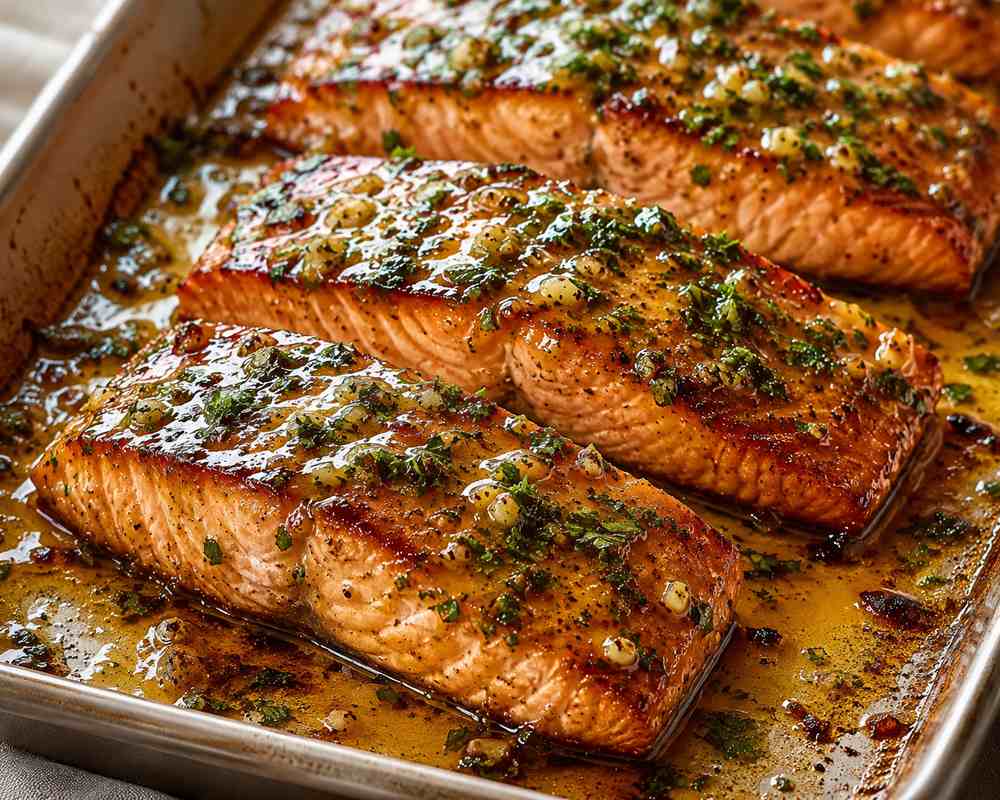
For deeper color, switch the oven to broil after the salmon is nearly cooked.
Broil for approximately 30–60 seconds, watching continuously.
Honey can darken very quickly. Remove the tray as soon as the surface bubbles and develops browned spots.
The FDA recommends cooking most seafood to an internal temperature of 145°F or 63°C; properly cooked fish should also appear opaque and separate easily with a fork.
Step 8: Rest and Finish
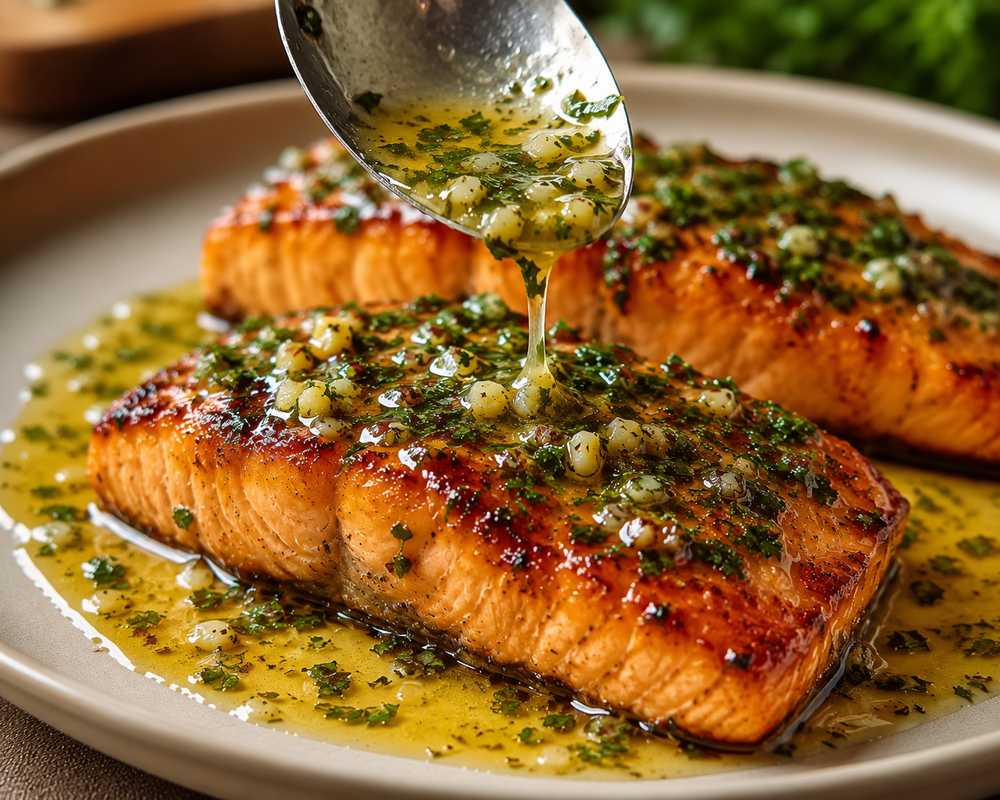
Allow the salmon to rest on the tray for two or three minutes.
Stir the garlic herb butter, then spoon it over each fillet.
Make sure some of the garlic and herbs land directly on top rather than leaving all the solids in the saucepan.
Finish with fresh herbs and serve with lime wedges.
How to Tell When Salmon Is Ready
The exact cooking time depends more on thickness than weight.
Look for these signs:
- The thickest section has turned opaque.
- The layers begin to separate when pressed gently.
- The glaze is bubbling around the edges.
- The center has reached 145°F or 63°C when tested with a thermometer.
Insert the thermometer into the thickest part from the side for the most accurate reading.
Tips for Juicy, Flavorful Salmon
Start with a Dry Surface
Moisture left on the salmon can dilute the seasoning and prevent the glaze from adhering properly.
Use Fillets of Similar Thickness
A thin tail piece can overcook before a thick center-cut portion is ready.
Add Honey Later
The initial unglazed roasting period reduces the risk of burned honey.
Keep the Garlic on Low Heat
Dark brown garlic may make the finishing sauce bitter.
Use Fresh Lime
Bottled juice lacks the fragrant oils found in fresh zest and often tastes flatter.
Watch the Broiler Constantly
This is not a step to walk away from. The difference between caramelized and burned can be less than a minute.
Finish Just Before Serving
The warm garlic butter looks glossiest and tastes freshest when added shortly before the plates reach the table.
What to Serve with Honey-Lime Salmon
The buttery citrus sauce pairs particularly well with foods that absorb it:
- Basmati rice
- Coconut rice
- Garlic mashed potatoes
- Roasted baby potatoes
- Cauliflower rice
- Steamed green beans
- Roasted broccoli
- Asparagus
- Cucumber salad
- Sautéed zucchini
For a light plate, serve the salmon with a crisp salad and steamed vegetables.
Make-Ahead Instructions
The glaze may be mixed up to one day in advance and refrigerated.
The garlic can be minced, the herbs chopped, and the lime zested several hours before cooking.
Keep each component covered in the refrigerator.
Do not leave the raw salmon soaking in lime juice for hours. The acidic juice can alter the surface texture. Apply the glaze only after the initial roasting period.
How to Store Leftovers
Cool the salmon promptly and transfer it to a shallow airtight container.
Store it in the refrigerator for three to four days. USDA guidance gives the same refrigerated storage range for cooked fish and seafood.
Keep extra garlic butter in a separate covered container when possible.
How to Reheat without Drying It Out
Place the salmon in a small baking dish.
Add one teaspoon of water or reserved sauce and cover loosely.
Warm it in a low oven until heated through.
A covered skillet over low heat also works well.
Avoid repeatedly reheating the same portion. Add a squeeze of fresh lime and a small spoonful of sauce after warming.
Can You Freeze It?
Yes, although freshly cooked salmon has the best texture.
Cool the salmon completely and wrap each fillet separately.
Freeze for up to two months for best quality.
Thaw overnight in the refrigerator and warm gently.
Prepare a small fresh batch of garlic herb butter after thawing rather than freezing a large amount with the fish.
Frequently Asked Questions
Is this salmon very sweet?
No. The honey creates a sticky surface, but lime, garlic, spices, and herbs balance it. Reduce the honey in the finishing butter when a sharper flavor is preferred.
Can frozen salmon be used?
Yes. Thaw it completely in the refrigerator, remove any packaging, and dry the fillets thoroughly.
Should I remove the skin?
No. The skin can remain underneath during roasting and helps protect the bottom of the fish.
Can I make it without butter?
Yes. Use olive oil for the finishing sauce. The flavor will be lighter but still delicious.
Can I pan-sear the salmon instead?
Yes. Sear it in a lightly oiled skillet, add the glaze near the end, then finish with the separate garlic herb butter.
Can the salmon be marinated overnight?
It is better not to marinate it overnight in lime juice. Prepare the components ahead but glaze the salmon during cooking.
Which herb is better: parsley or cilantro?
Parsley is milder and more universally appealing. Cilantro creates a brighter, more distinctive lime-forward flavor.
Is the recipe halal?
The recipe contains no alcohol, pork, gelatin, or intentionally haram ingredients. Check butter, packaged seasonings, and other processed products for halal certification where necessary.
Leave a Reply